

Hume House Child Development & Student Research Center
Mission
- 1
Educate HL黑料门不打烊 students about child development theory and practice through hands-on research.
- 2
Provide the highest quality diverse and inclusive preschool for families in the HL黑料门不打烊 and local communities.
- 3
Promote community understanding of current research and best practices in early child development.
Program Overview
-
An Early Childhood Lab
The Child Development & Student Research Center聽is a laboratory of the Department of Psychology and is one of several active, hands-on laboratories directed by the Department.
-
Reggio Emilia Approach
Children participate聽in activities that stimulate learning, foster creativity, and encourage understanding of concepts that lead to emergent long-term projects and in-depth exploration.
-
Observation and Screening
Grounded in developmentally appropriate practice, our screening and observation tools are naturalistic and ongoing. They provide an ongoing, evidence-based picture of each child鈥檚 growth.


A Laboratory Preschool for Hands-On Undergraduate Learning
As a laboratory of the Department of Psychology at HL黑料门不打烊, the Hume House Child Development & Student Research Center provides undergraduate and graduate students with hands-on opportunities for research and learning with children of all abilities. Each year, hundreds of HL黑料门不打烊 students engage with the CDC through coursework, research, and mentored learning experiences across a range of academic disciplines.
Curriculum

Engaging Curriculum
Our early childhood curriculum is rooted in developmentally appropriate practice and scaffolded learning opportunities. Children learn through active play, involvement in activities, and small group targeted learning experiences. Children with specific needs are included in all activities and offered support that centers on their strengths. Underpinning all of this is the Positive Behavior Support (PBS) framework, a proactive, evidence-based approach that helps us understand children's behavior in context, maintain consistent and nurturing routines, and create classroom environments where every child feels secure and ready to learn.
Our Reggio Emilia Approach Guides Long-Term Projects
Watch to learn how projects emerge from teacher-developed ideas and child-initiated emergent activities.
Observation and Screening Instruments
At the CDC, we utilize research-based observation and screening tools to assess children鈥檚 developmental progress and to ensure that teaching practices respond to and support each child's individual strengths and needs. The Positive Behavior Support (PBS) framework complements these tools by helping us understand the context of children鈥檚 behavior and create environments where every child can thrive.
-
Ages and Stages Questionnaire
The Ages and Stages Questionnaire (ASQ) is a developmental screener聽that tracks聽children鈥檚 growth between the ages of one聽month and five and a half years, across five key areas: gross motor, fine motor, personal-social, problem-solving, and communication. At the CDC, parents complete the ASQ before enrollment and again each August, and teachers administer it annually around each child's birthday.
-
Peabody Picture Vocabulary Test
The Peabody Picture Vocabulary Test (PPVT) measures receptive language 鈥� what a child understands, independent of what they can say. CDC teachers administer this norm-referenced measure of receptive vocabulary around each child鈥檚 third, fourth, and fifth birthday. The PPVT is untimed and low-pressure, and it provides an important window into each child's early language development.
-
COR Advantage
The COR Advantage (Child Observation Record) is a research-supported and observation-based assessment tool that provides a holistic picture of each child鈥檚 development. At the CDC, undergraduate students and teachers use COR Advantage to document children鈥檚 naturally occurring聽behaviors across key developmental domains. Observations are ongoing throughout the school year and conclude with a summary shared at the end-of-year parent-teacher conference.
-
Learning Without Tears
The Learning Without Tears Get Set for School庐 curriculum provides informal, developmentally appropriate Pre-K assessments to track early literacy and math skills.
History
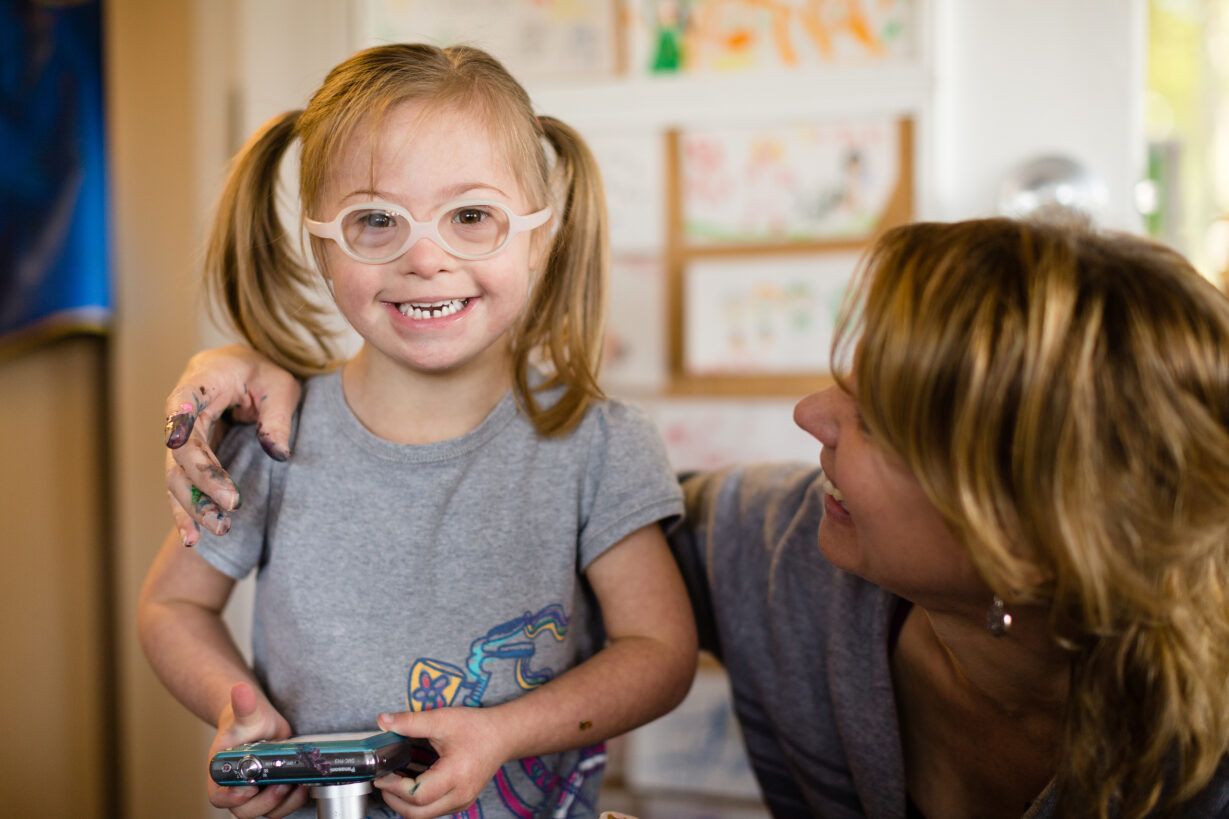
The Child Development & Student Research Center was established in 1975 as a laboratory preschool for undergraduates in the Psychology Department at HL黑料门不打烊. We serve children between the ages of two and five years. Children with special needs are fully included聽in all activities, and learning is individualized for optimum growth.
Faculty and Staff
Reach us by email or call 407.646.2515
-
Alice Davidson, PhD
Professor of Psychology, Executive Director of the Child Development & Student Research Center
Faculty Biography -
-
Diane Terorde Doyle, MA
Director of the Child Development & Student Research Center
-
Ruth James, BEd
Lead Teacher
-
Felysha Lenis, BS
Lead Teacher, Social Media Manager
-
Nayeli Brown, BA
Lead Teacher
-
Brynn O'Callahan
Assistant Teacher
-
Mary Frances Harris
Assistant Teacher
-
Ashley Wood, BA
Floater, Afternoon Coordinator
-
Julie Lavra Pease, MEd
Inclusion Coordinator
-
Gretchen Forsythe, MS
Substitute Teacher
-
Skye Carney
Substitute Teacher
-
Taylor Scaletta
Grad Assistant


